
How to Furnish an Apartment in Hong Kong
Mar 2026 Last Updated
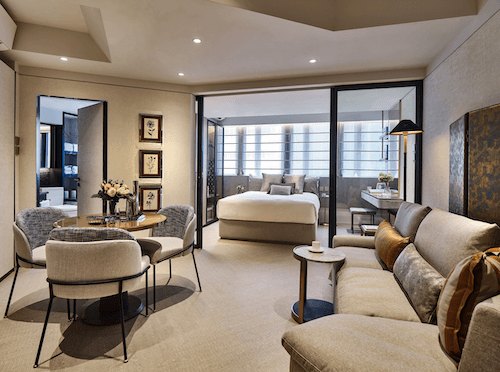
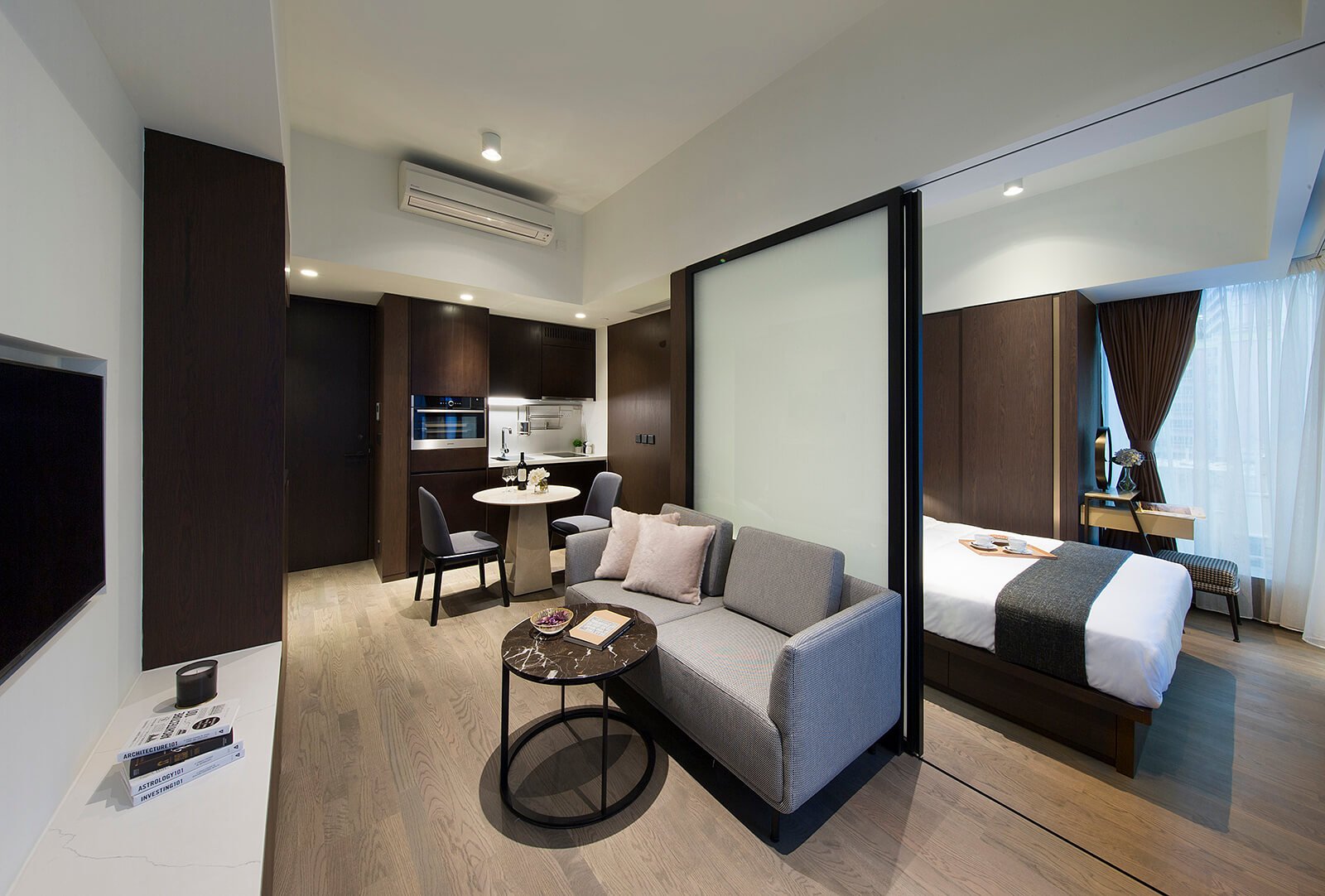
Photo: Furnished Apartment in Central
Relocating to Hong Kong is an exciting adventure filled with new opportunities, vibrant neighbourhoods, and a fast-paced international lifestyle. However, one of the most practical hurdles many expats face is turning an unfurnished apartment into a comfortable, functional home. Unlike many cities where rentals come ready with furniture, Hong Kong properties are often handed over with little more than basic white goods, leaving you to source everything from beds and sofas to curtains, lighting, and storage solutions.
At Service Apartment Hong Kong, we have supported thousands of corporates and individuals through their housing journeys in the city. While our core expertise lies in providing fully furnished serviced apartments with flexible short- and medium-term leases, we frequently advise clients transitioning into longer-term unfurnished rentals. This detailed guide draws on that experience to help you navigate the process step by step, avoid common pitfalls, and create a living space that truly supports your life in Hong Kong.
Whether you are arriving solo for a new job, relocating with family, or managing a corporate assignment, careful planning makes all the difference between a stressful move-in and a seamless transition.
Quick Facts to Know Before Moving into an Unfurnished Apartment in Hong Kong
Hong Kong’s housing market has unique characteristics that differ significantly from many Western countries. Being aware of these upfront helps set realistic expectations:
Compact layouts are the norm: Average apartment sizes are much smaller than overseas equivalents — often 300–600 sq ft for studios or one-bedrooms in popular districts. Even family-sized units rarely exceed 1,000–1,500 sq ft. This demands thoughtful, space-efficient choices.
Unfurnished usually means minimal basics: Most leases include a refrigerator, washing machine, and built-in air conditioners, but little else. You will typically need to provide your own beds, sofas, dining furniture, storage, lighting, curtains or blinds, and all soft furnishings.
Rental terms and deposits: Expect to pay two months’ rent as a security deposit plus one month’s rent in advance. Leases are commonly for two years, with the first 12 months fixed and a break clause possible in the second year. Agent fees (usually half a month’s rent) and stamp duty also apply.
High humidity is a constant factor: Hong Kong’s subtropical climate means relative humidity often exceeds 80%, especially from May to September. This can damage untreated wood, fabrics, electronics, and clothing if not addressed with dehumidifiers, proper ventilation, and moisture-resistant materials.
Neighbourhood and lifestyle fit: Choices are often driven by commute times (MTR access is key), proximity to international schools for families, and access to amenities. Districts like Wan Chai, Kennedy Town, Mid-Levels, Tsim Sha Tsui, and Quarry Bay each have distinct vibes and practical considerations.
Pet policies and other restrictions: Not all buildings allow pets, and some have strict rules on renovations or modifications even for renters.
Understanding these realities early prevents rushed decisions and helps you budget and plan more effectively.
Why Many Expats Start with Temporary Serviced Accommodation
Rushing straight into furnishing an unfurnished apartment — especially while jet-lagged, waiting for shipments, or still familiarising yourself with the city — can lead to expensive mistakes or pieces that don’t fit the space. A smarter, widely used strategy is to begin with temporary furnished accommodation. Learn more about renting a serviced apartment here.
Fully furnished serviced apartments combine the convenience of hotel services (regular housekeeping, utility bills included, 24/7 support) with the privacy and kitchen facilities of a real home. Flexible lease terms ranging from one month to over a year allow you to:
Explore different neighbourhoods without long-term commitment
Measure actual room dimensions and test daily commutes
Assess your real furnishing needs once settled
Bridge the gap while air or sea freight arrives
This “test drive” period is particularly valuable for families or those with specific requirements such as home offices or pet-friendly features. Many clients tell us it reduces decision fatigue and leads to better long-term choices.
Service Apartment Hong Kong offers a wide selection of such properties across Hong Kong Island and Kowloon, with personalised support to match your budget, timeline, and lifestyle preferences. Access our dedicated corporate solutions for relocations.





Things to Consider When Planning to Furnish Your Unfurnished Apartment
Every expat’s situation is different, so start by asking yourself a few key questions:
Length of stay: For shorter assignments (under 12–18 months), prioritise rental-friendly, easy-to-sell or modular pieces. For longer commitments, you can invest in higher-quality, durable items that hold value for resale.
Budget breakdown: Furnishing costs can add up quickly. A basic setup for a one-bedroom might range from HK$30,000–80,000 depending on quality, while a full family apartment could exceed HK$150,000+. Factor in delivery, assembly, and potential custom-made pieces (common and often necessary in Hong Kong due to irregular layouts).
Family or lifestyle needs: Do you require a dedicated home office, children’s play area, pet-friendly flooring, or entertainment space? These influence both layout and material choices. Discover more about expat life in Hong Kong here.
Humidity and climate resilience: Select moisture-resistant fabrics, treated woods, and materials that withstand Hong Kong’s damp conditions. Dehumidifiers (portable or built-in) are almost essential in wardrobes, bathrooms, and living areas to prevent mould and musty smells.
Space optimisation: Compact living rewards multifunctional furniture — think sofa beds, extendable tables, ottomans with hidden storage, or wall-mounted desks.
Creating a simple room-by-room priority list or basic mood board can help you focus on essentials first (bed, seating, dining, storage) before adding decorative elements.
Smart Approaches to Furnishing Compact Hong Kong Apartments
Hong Kong apartments reward clever design over sheer size. Here are proven strategies that many long-term expats use successfully:
Multifunctional and modular furniture: Invest in pieces that serve dual purposes, such as a dining table that converts to a workspace or beds with integrated storage drawers.
Vertical and hidden storage solutions: Use floating shelves, tall slim wardrobes that reach the ceiling, under-bed containers, and over-door organisers. In kitchens and bathrooms, maximise cabinet space with pull-out racks or stackable containers.
Lighting and window treatments: Layered lighting (ambient, task, and accent) makes small spaces feel larger and more welcoming. Custom curtains or blinds are often needed to control light, privacy, and heat.
Defined zones in open layouts: Rugs, low bookshelves, or slim room dividers can separate living, dining, and working areas without cramping the space.
Light colours and reflective surfaces: Whites, soft neutrals, and strategic use of mirrors create an illusion of greater space and brightness, which is especially helpful in units with limited natural light.
Material choices for durability: Opt for easy-clean fabrics, laminate or engineered wood over solid timber in humid conditions, and avoid heavy, bulky items that are difficult to move later.
Several professional teams can help with this process. One option is The Editors Company, which specialises in helping residents style and furnish homes without major renovations, paying close attention to the practicalities of local apartment living. Other expats turn to furniture rental services such as TREE or Indigo Living for stylish, flexible solutions — particularly useful for medium-term stays where you want quality pieces without a full purchase commitment.
Air Freight, Sea Freight and Managing the Furnishing Timeline
Shipping personal belongings adds another layer of planning. Coordinate your move-in date carefully with freight arrival:
Air freight (typically 7–14 days): Faster and ideal for essentials like clothing, small appliances, documents, and a few decorative or sentimental items. It allows you to avoid arriving with nothing but is more expensive per kilogram.
Sea freight (usually 4–8 weeks or longer): More economical for larger furniture, household goods, or full shipments. However, it often means relying on temporary accommodation and interim furnishing while you wait.
A hybrid approach works well for many: ship a small air freight consignment first, move into a serviced apartment for the initial weeks, then furnish the unfurnished rental thoughtfully while the sea shipment is en route. This reduces pressure and gives time to measure spaces accurately and make informed purchases.
Don’t forget customs clearance, potential storage fees, and the need for professional unpacking and assembly services upon arrival.
What Happens After You Move In? Practical Post-Arrival Steps
Once you have the keys and any shipments arrive, the real work of settling in begins.
Common tasks include:
Arranging furniture for optimal flow and natural light
Installing curtains, blinds, additional lighting, and storage systems
Setting up dehumidifiers and air purifiers to manage humidity and indoor air quality
Organising wardrobes, kitchens, and bathrooms for daily efficiency
Adding personal touches — artwork, cushions, rugs, and indoor plants — that transform the space from functional to homely
Busy expats or families often benefit from professional support at this stage to achieve a polished, comfortable result more quickly. It can also help integrate shipped items seamlessly with new local purchases.
Regular maintenance, such as running dehumidifiers during humid months and ensuring good ventilation, will keep your home fresh and protect your investments over time.
Final Thoughts
Settling into an unfurnished apartment in Hong Kong does not need to be overwhelming. With realistic expectations about local conditions, strategic use of temporary serviced accommodation when needed, and thoughtful planning around space, materials, and timelines, you can create a home that feels comfortable and personalised from the early days.
At Service Apartment Hong Kong, our team offers independent, practical advice tailored to your specific situation — whether that means recommending a serviced apartment as a flexible bridge or sharing insights on longer-term unfurnished options across the city. We focus on making your transition smoother so you can concentrate on enjoying Hong Kong’s many opportunities.If you are preparing for a relocation or have questions about accommodation choices, feel free to reach out. We are happy to discuss your needs in a personal conversation.
Contact us at enquiry@serviceapartment.hk or via WhatsApp for prompt support.
Service Apartment Hong Kong – Independent advice for corporate and expatriate accommodation in Hong Kong.